Metal additive manufacturing / decision intelligence
Engineering evidence.
Investment clarity.
Move from a promising metal part to a defensible production decision. Screen the geometry. Compare the equipment. Test the economics.
New to metal 3D printing? Start here →- Source-linked machines
- 30
- Economics
- Your quotes
- Access
- No account
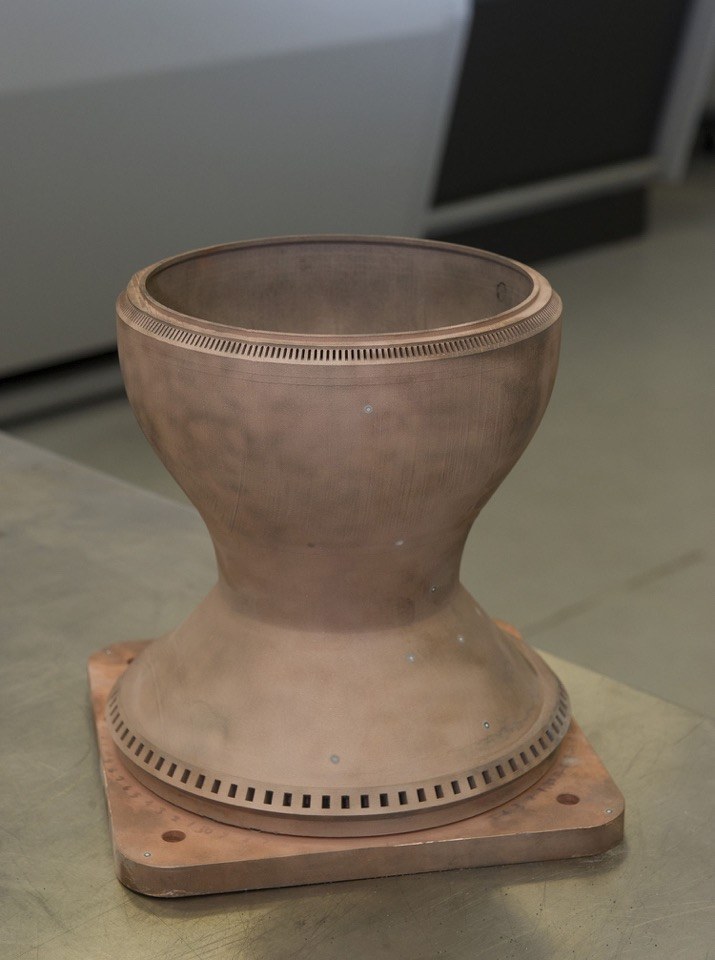
Component evidence ↗ · No NASA endorsement.
Independent metal AM purchasing intelligence
Make the machine decision
easier to defend.
Metal3DPrinting.ai brings machine specifications, source evidence, comparisons, ownership economics and purchasing tools into one independent workflow — so engineering and procurement teams can investigate a metal AM investment before committing capital.
Build a defensible shortlist
Filter the market around your actual process and production requirements instead of starting from manufacturer brochures.
Find potential matches →Challenge the machine you think you want
Sanity-check a selected machine against documented comparable, potential lower-cost and higher-capability alternatives.
Run the sanity check →Take the comparison into the meeting
Compare machines side-by-side, inspect the supporting evidence and save a free PDF for engineering, purchasing or capital-review discussions.
Compare machines →Test the business case
Model buy-versus-outsource economics, capacity, financing, breakeven and sensitivity before requesting capital.
Open the calculator →What machines could actually do it?
Find potential matches →Which machines deserve a closer look?
Compare any two machines →Does buying make financial sense?
Build your business case →Already leaning toward a machine?
Sanity-check it before you buy →Ready to speak to suppliers?
Prepare the supplier brief →Free machine comparison
Compare machines.
Keep the evidence.
Compare metal 3D printers side-by-side, inspect the supporting evidence, and save your comparison as a free PDF.
Free. No account required.
Process intelligence / interactive schematic
One layer.
A repeatable sequence.
Laser powder bed fusion (LPBF) melts selected areas of a thin powder layer. The component grows inside the powder bed.
Illustrative cross-section. Layer thickness, time and geometry are exaggerated. This is not a machine simulation.
Process reference: NIST →A recoater distributes fresh powder across the build plane.
At the end, loose powder is removed. Heat treatment, support removal, machining and inspection may still follow.
Beyond the render
Physical parts.
Material evidence.
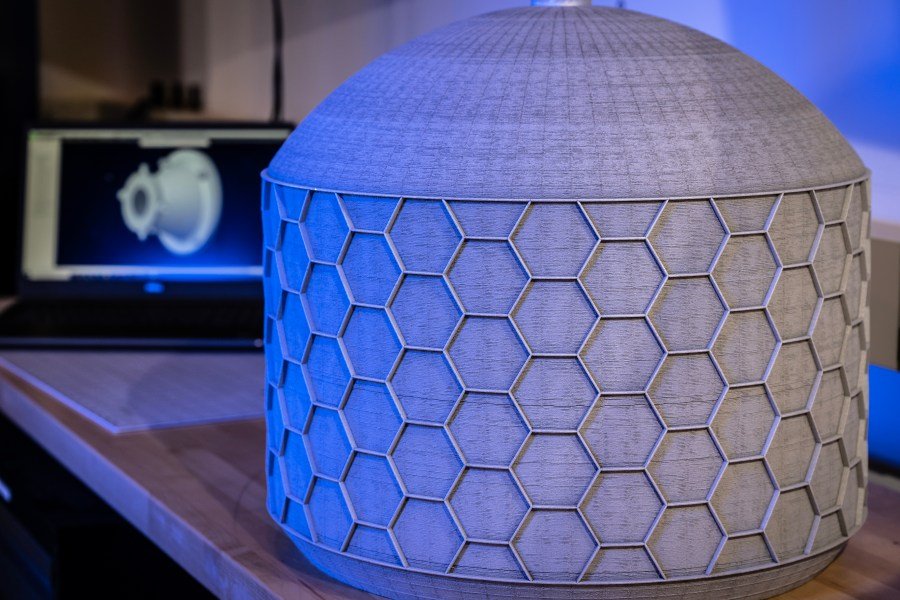
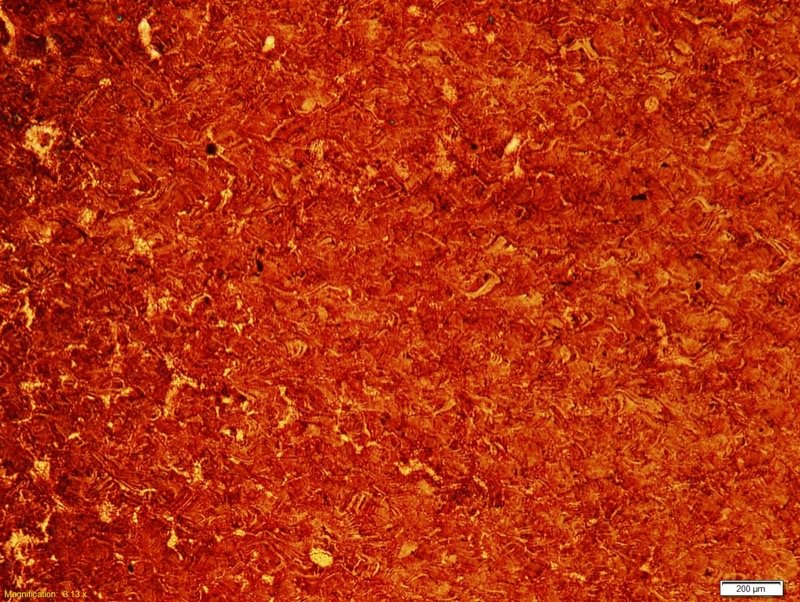
Real NASA research hardware and microscopy. Images illustrate specific projects, not commercial-machine capability.
An explicit evidence boundary
Published capability is a starting point.
Qualification is the next question.
Less brochure hunting. More decision-making.
Technical specifications are organized into a consistent comparison structure and linked back to their supporting evidence. When a value cannot be verified responsibly, Metal3DPrinting.ai shows the gap instead of filling it with an assumption.
What you can inspect
Dated specifications, named manufacturers, configuration caveats and a transparent economic model.
Explore the machine library →What we will not invent
Unpublished prices, guaranteed part fit, generic productivity rankings or certainty about your production process.
Inspect our methodology →Evidence before investment
Make the numbers work
before the machine does.
Open the decision workbench →Understand the technology first →
Built for the capital-equipment conversation.
Use Metal3DPrinting.ai to walk into an engineering review, supplier meeting or capital-request discussion with machine alternatives identified, key specifications compared, supporting evidence available, unknowns clearly marked and ownership economics modeled.
Save a comparison PDF to circulate internally. A decision aid — not a certified engineering report and not investment advice.